
Encoded in DNA
In 2021, the National Archives had archives digitized and encoded in DNA. This page explains this experimental storage method.
A world first!
In 2021, the National Archives digitized and encoded two symbolic historical texts in synthetic DNA:
- the Declaration of the Rights of Man and of the Citizen (1789),
- and the Declaration of the Rights of Woman and of the Female Citizen by Olympe de Gouges (1791).
This innovation uses the “DNA Drive,” a technology for storing digital information in DNA, developed in scientific partnership with the National Archives by CNRS researcher Stéphane Lemaire and Sorbonne University lecturer Pierre Crozet.
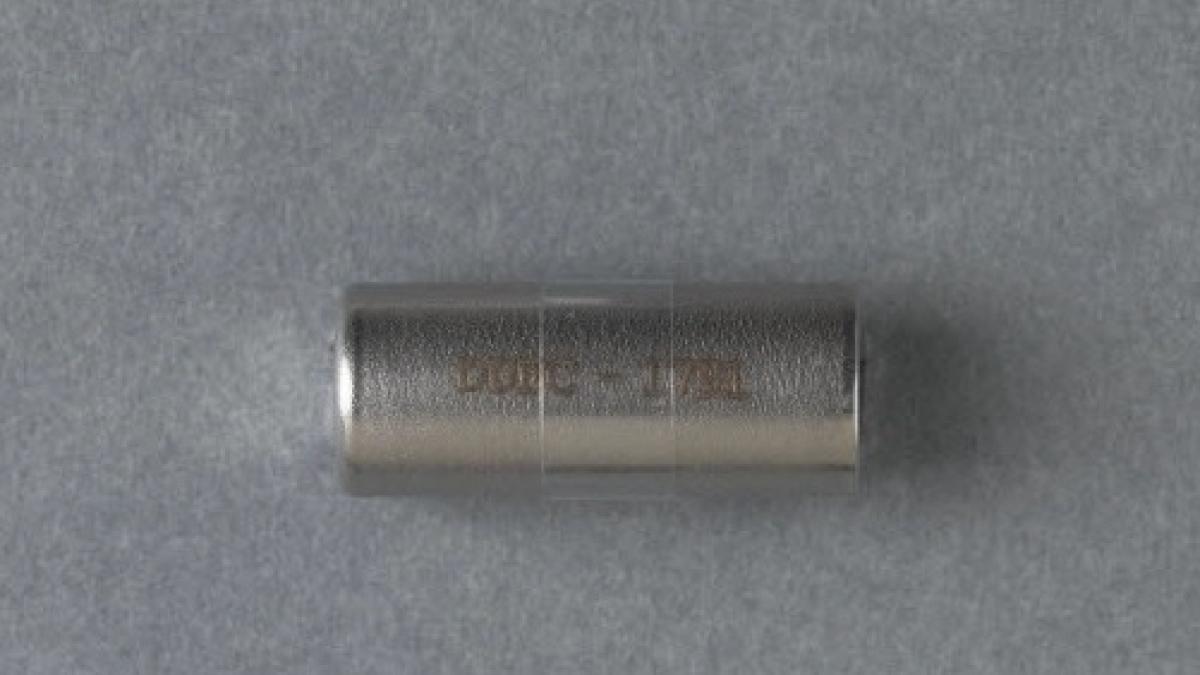
The two DNA drives were assembled from synthesized DNA fragments and stored in metal capsules. Each capsule contains over 100 billion copies of the archived file in DNA form. Reading the information can be done with DNA sequencers similar to those used in biology or medicine. These capsules make it possible to store these texts for thousands of years.
Resources
Booklet “Archiving on DNA,” produced by the National Archives, CNRS, Sorbonne University and the Ministry of Culture.