
The National Archives: Committed, Citizen-Focused, and Responsible
The National Archives, a national service of the Ministry of Culture, are actively involved in the ministry’s initiatives. They integrate social and environmental considerations into their actions and go further by engaging with local socio-economic actors and residents of their territory in Seine-Saint-Denis, as well as in sustainable development.
The Enterprise-Territory Charter
Located in Pierrefitte-sur-Seine (93), the National Archives anchor their development within the Plaine Commune territory. On 15 November 2022, the Archives and Plaine Commune renewed their signing of the Enterprise-Territory Charter.
Plaine Commune is a territorial public institution comprising nine towns in Seine-Saint-Denis, north of Paris: Aubervilliers, Épinay-sur-Seine, L’Île-Saint-Denis, La Courneuve, Pierrefitte-sur-Seine, Saint-Denis, Saint-Ouen-sur-Seine, Stains and Villetaneuse. This area is also economically dynamic, with approximately 450,000 inhabitants and 45,000 students, including those at Paris 8 University, a neighbor and partner of the National Archives.
The Enterprise-Territory Charter, initiated in 2005, guides the territorial development policy of Plaine Commune. It is based on the territory’s economic renewal and the momentum generated by the 2024 Olympic and Paralympic Games, aiming to support local development and promote sustainable development. An individual charter is developed and tailored to each signing organization according to its identity, activity, and strategy, with chosen areas of focus for the next three years. Annual meetings assess the implementation of actions and work toward strengthening the partnership.
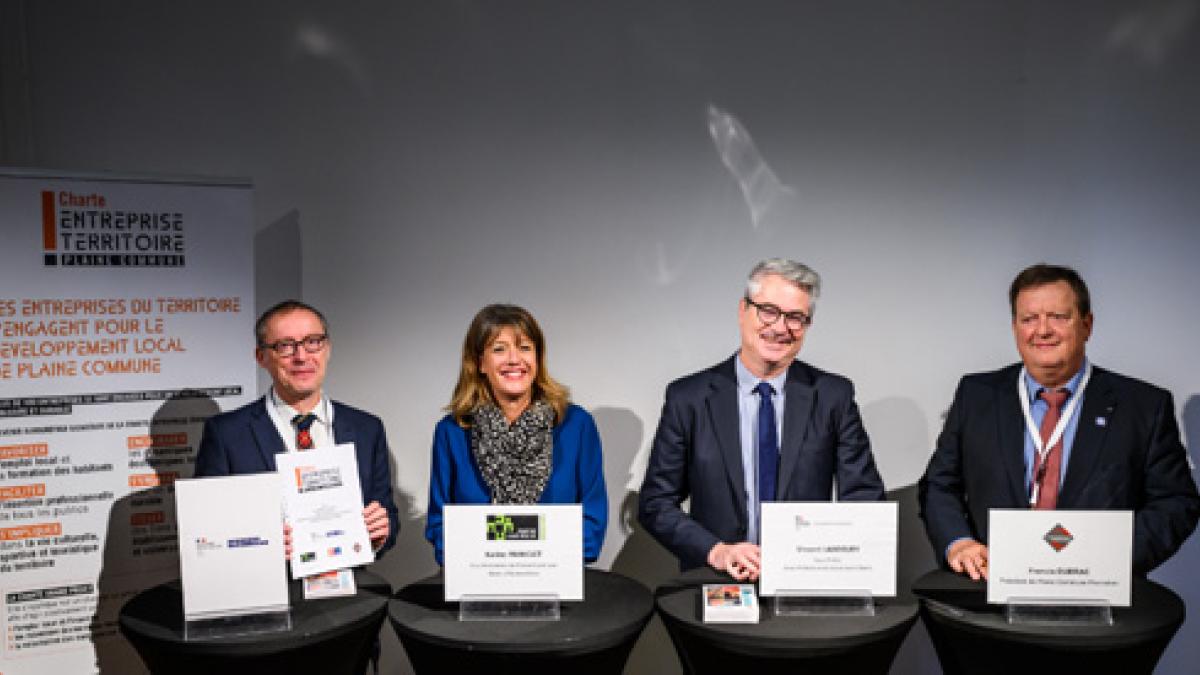
By joining the Charter, the National Archives position themselves as a local employer and partner in the territory’s development, alongside nearly 150 public, associative and business actors. They commit to all six Charter pillars:
- Developing local employment
- Strengthening social solidarity
- Building ties between schools and business
- Contributing to local economic dynamics
- Engaging with the community
- Acting for the environment
Alliance Label — Professional Equality and Diversity
In 2021 the National Archives renewed the Alliance label, which encompasses the Professional Equality and Diversity labels, first obtained in 2017. The Human Resources department ensures the application of the values and procedures of this label, covering recruitment, pay, training, mobility, and career progression. The Archives also work to prevent discrimination, violence and harassment, and raise staff awareness of these issues.
Staff profile highlights:
- 6.5 % of staff have disabilities
- 16.91 % are aged 60 or over
- 48.8 % are women
- 53.6 % of senior management are women
The Archives promote inclusion and accessibility through sign language training, mediation training, and materials and workshops in braille, large print, and easy-to-read formats. They also offer free access to all exhibitions since summer 2020 to broaden cultural participation.
Ecological Transition in Progress
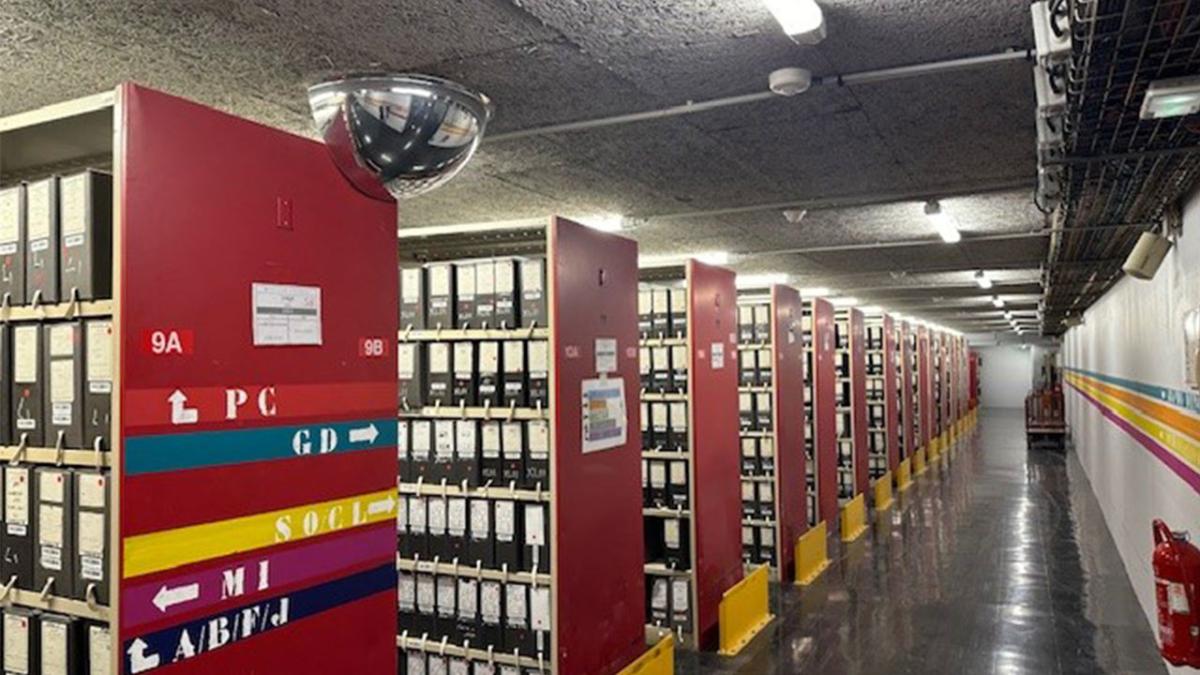
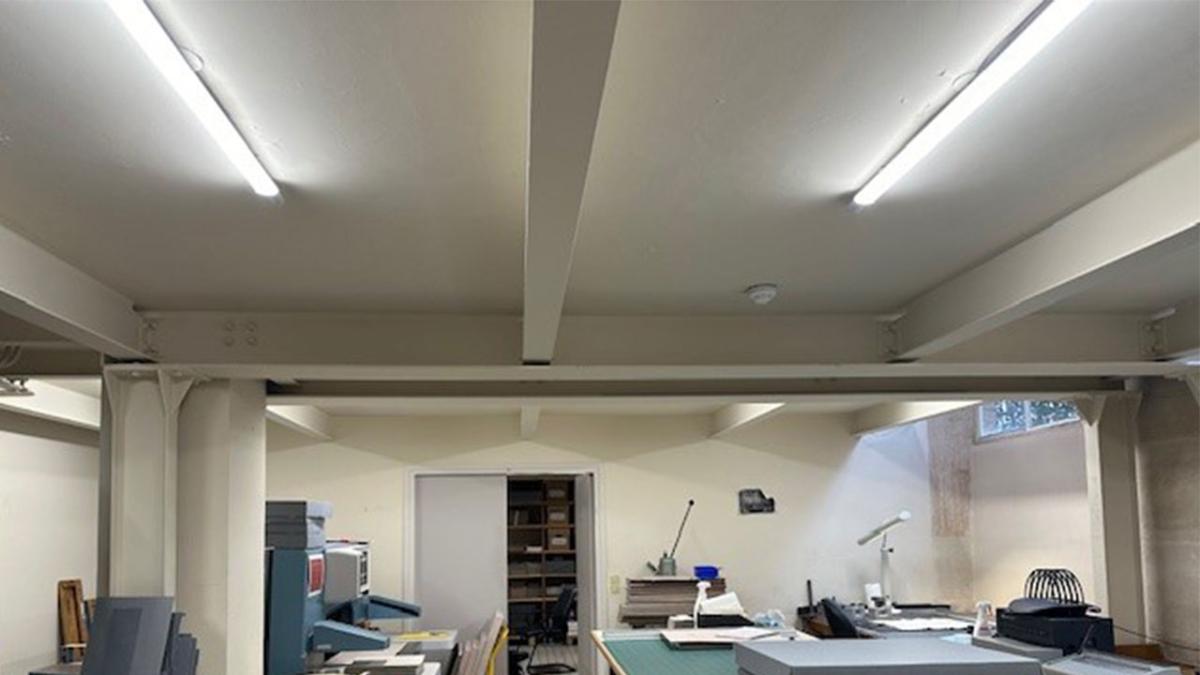
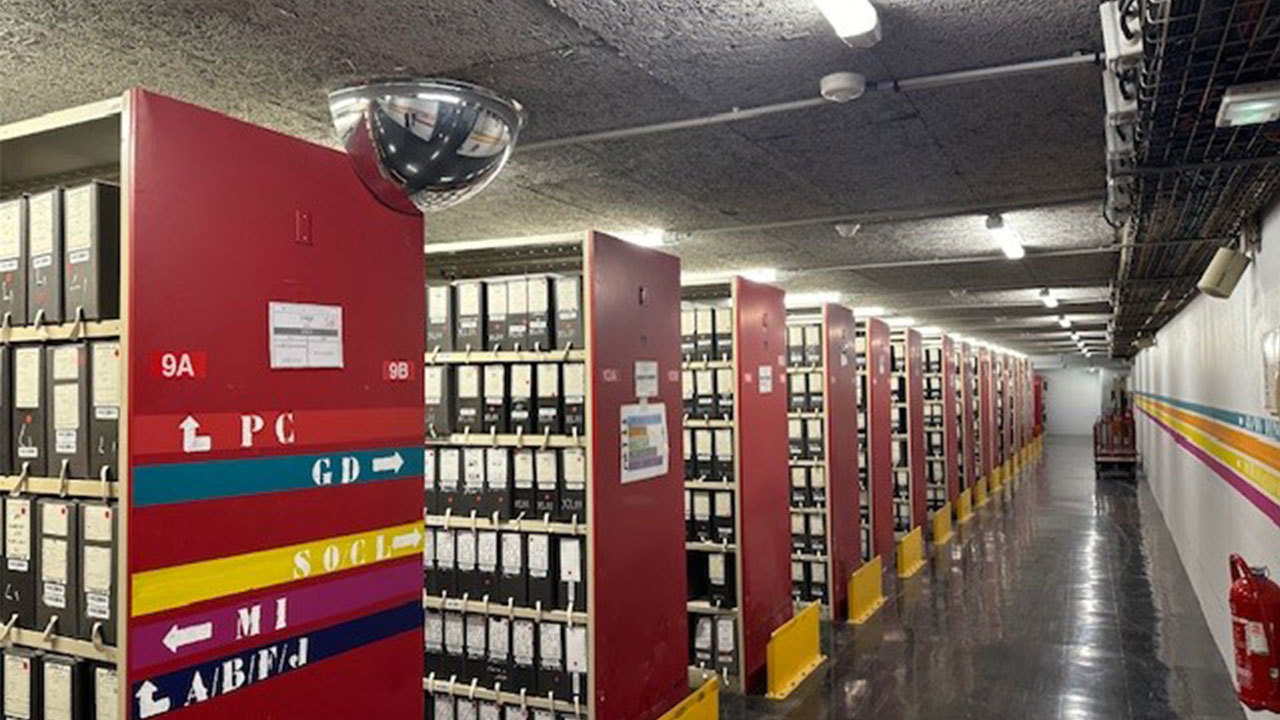
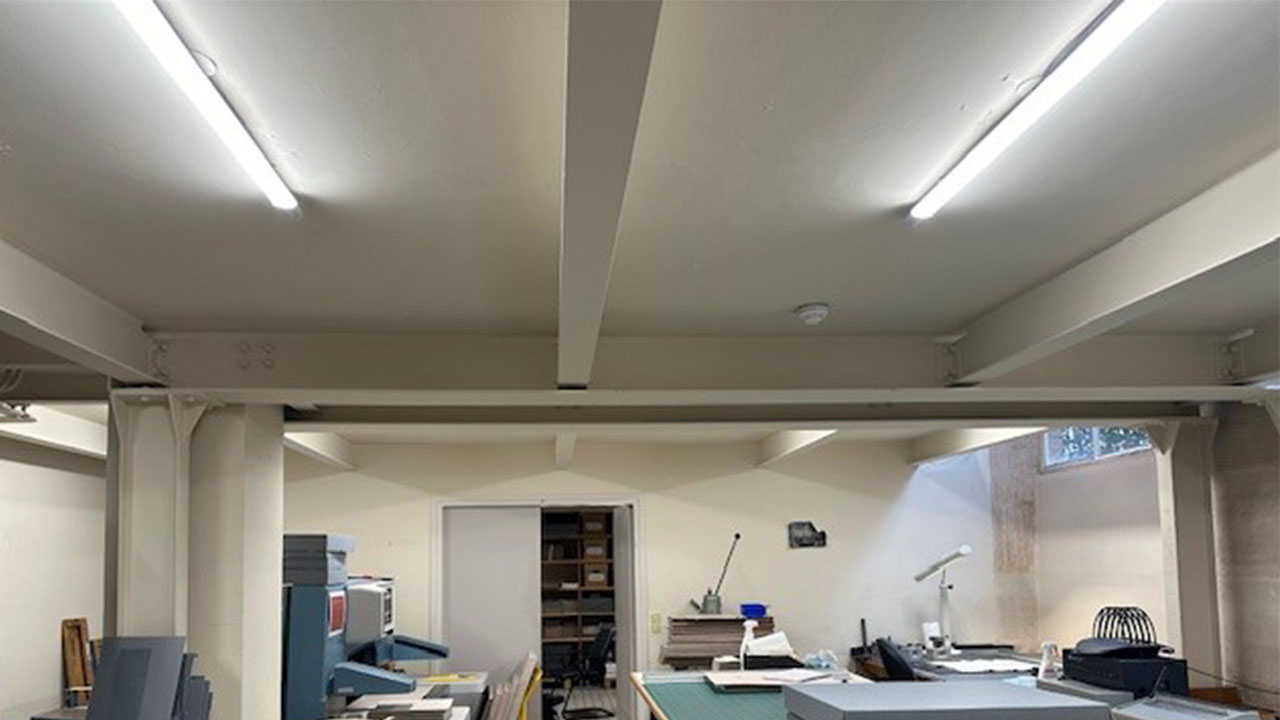
The National Archives take part in the Ministry of Culture’s France Nation Verte ecological transition plan, targeting carbon neutrality by 2050. Initiatives include staff training on climate issues, conducting annual greenhouse gas assessments (BEGES) for all service and construction contracts, encouraging sustainable mobility, adapting vehicle fleets toward electric options, and promoting energy efficiency projects. For example, in 2023 they secured EU funding to replace lighting with energy-saving LEDs, reducing consumption by ~33 % at the Paris site.
Daily ecological actions include waste sorting, and the Archives are planning a five-year rooftop greening project at the Pierrefitte-sur-Seine site to help reduce urban heat islands. They are also exploring ways to reduce water use and reliance on phytosanitary products.