To the Archives, citizens!
Since its creation, the Museum of the Archives nationales has been committed to making the fundamental principle of free access to archives available to everyone. You do not need to be a specialist to explore the sources of French history. Our two permanent exhibitions and temporary exhibitions tell you everything you need to know!
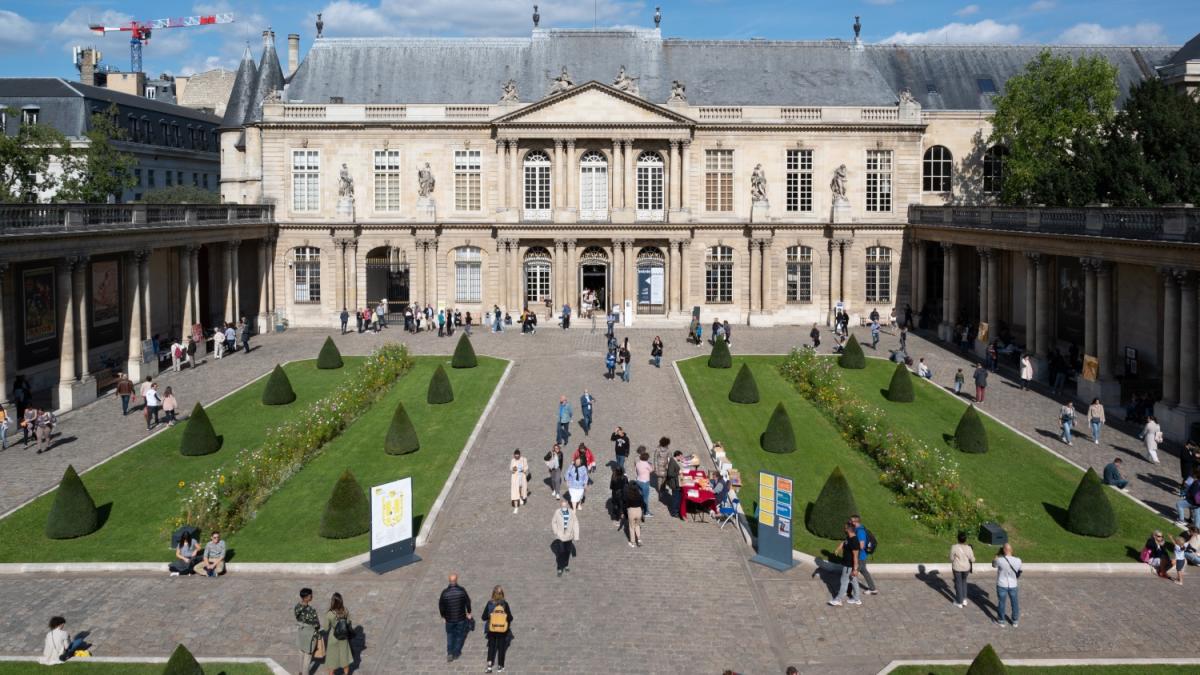
A museum dedicated to history
« Every aspect of French history lies in our archives, but it must not remain there. »
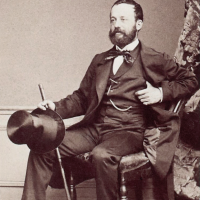
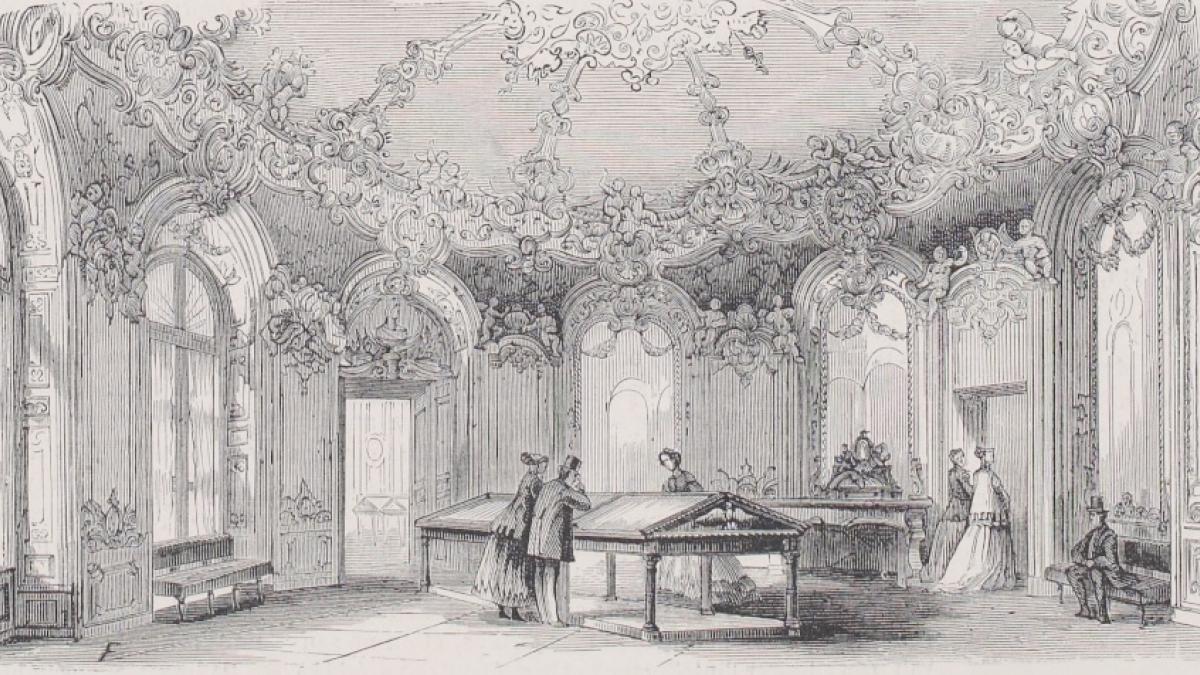
Conceived by Léon de Laborde, Director General of the Archives of the Empire, the Museum of the Archives opened in 1867 in the reception rooms of the Hôtel de Soubise. Some 1,800 documents were made available for the public to discover!
The museum's programme had two main objectives:
- To offer visitors, in Laborde's words, “a compendium of the evidence of French history” through “the written monuments of the Nation”;
- To illustrate the evolution of handwriting, writing materials and diplomatic conventions.
In other words, to give a voice to the very people who made history through the records they produced. The museum also aimed to introduce visitors to the various disciplines practised by archivists:
- Palaeography: the art of deciphering historical handwriting;
- Sigillography: the scientific study of seals;
- Heraldry: the language and study of coats of arms;
- Diplomatics: the study of the formal characteristics of documents, used to establish their integrity and authenticity.
Successive changes to the exhibition, up until the Second World War, extended its chronological scope to include contemporary history (the original selection of documents had ended with Napoleon I, at the beginning of the 19th century) and significantly reduced the number of items on display.
A new impetus at the turn of the 1950s
In 1950, Régine Pernoud, Director of the Museum, gave it a new lease of life. She established France's first educational service within a museum and organised its first temporary exhibitions.
In 1993, the former permanent exhibition, which dated back to the 19th century, was dismantled. It no longer met visitors' expectations and, moreover, posed a threat to the preservation of original documents, which had been exposed to light for too long.
Since 2014, visitors have been able to explore a new permanent exhibition.
To create the Museum of the Archives nationales, Léon de Laborde, Director General of the Archives of the Empire from 1857 to 1868, first selected the documents to be displayed.
It took him five years, working with his colleagues, to identify hundreds of documents among the vast collections held by the Archives nationales and remove them from their original archival fonds. In total, 1,800 documents were displayed when the museum opened.
But Laborde did more than simply place them in display cases. He created a collection in its own right, with its own reference system and classification structure. In doing so, he departed from the fundamental archival principle of preserving the integrity of archival fonds.
Over the years, a small proportion of these documents have been returned to their original series. However, the majority are still classified according to this specific system.
Today, they are organised into five sub-series:
- AE/I: The Iron Cabinet (Armoire de fer) (see also the Grands Dépôts);
- AE/II: Museum of French Documents;
- AE/III: Museum of Foreign Documents;
- AE/V: Exhibits and seized objects;
- AE/VI: Historical objects.
Please note: sub-series AE/IV no longer exists, having been replaced by the Centre for Sigillography and Heraldry.
In Paris, the Archives in 100 documents
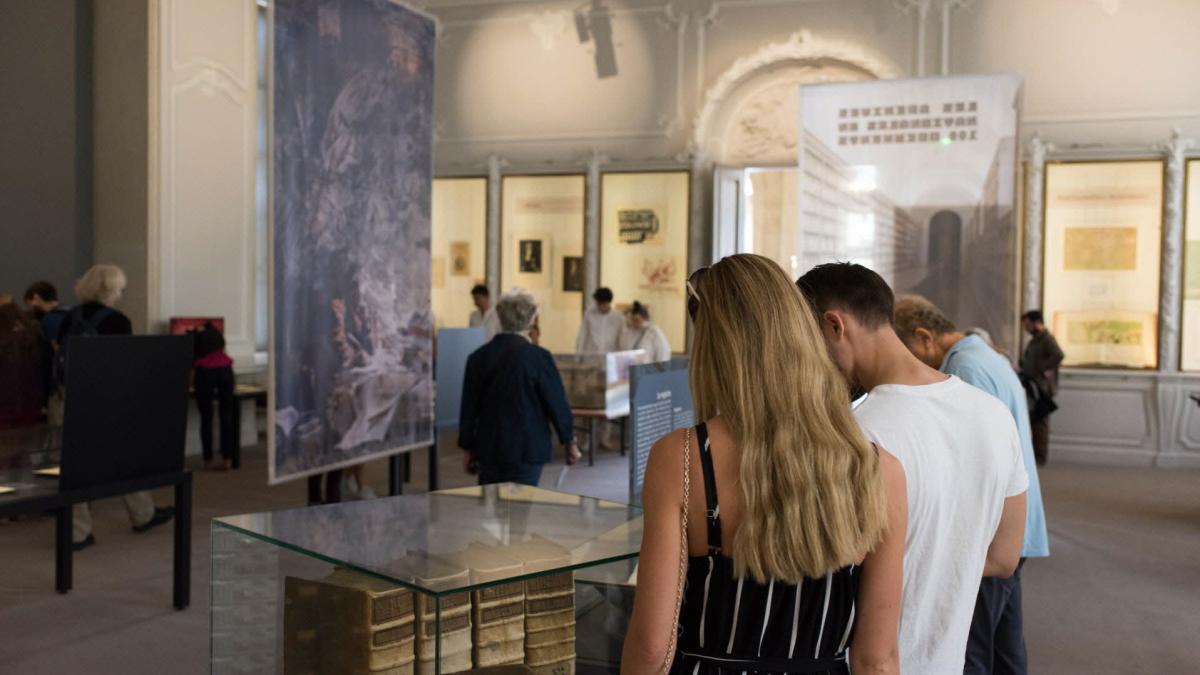
Housed in the neo-Rococo setting of the former reading room of the Archives nationales, a selection of around one hundred documents welcomes visitors to the Hôtel de Soubise.
It offers a glimpse of the many different forms taken by the millions of documents preserved by the institution, from the most commonplace to the most unusual:
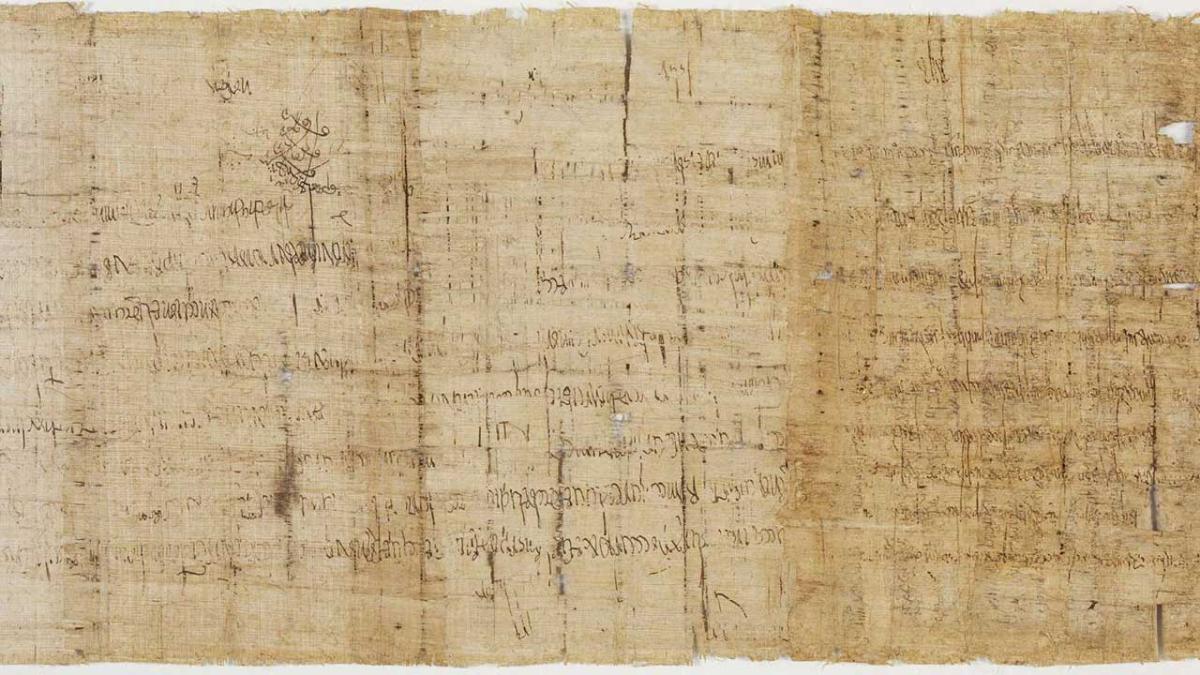
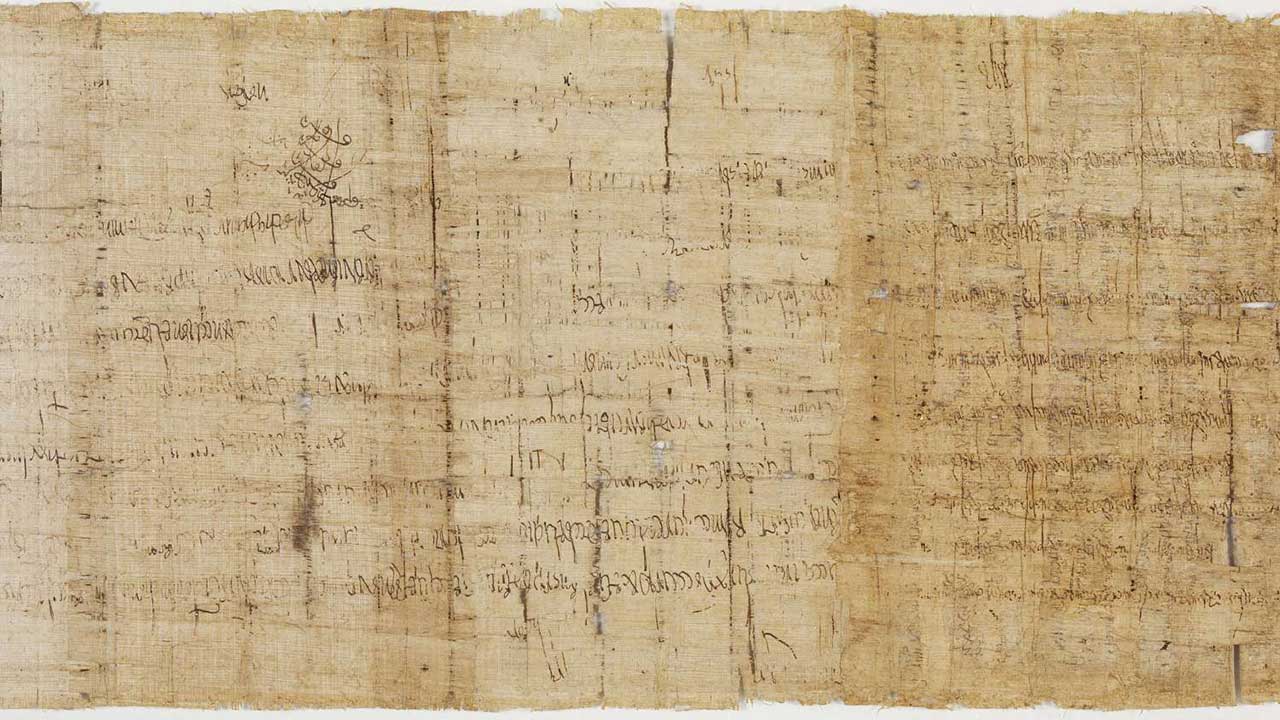
- Fragile Merovingian papyrus;
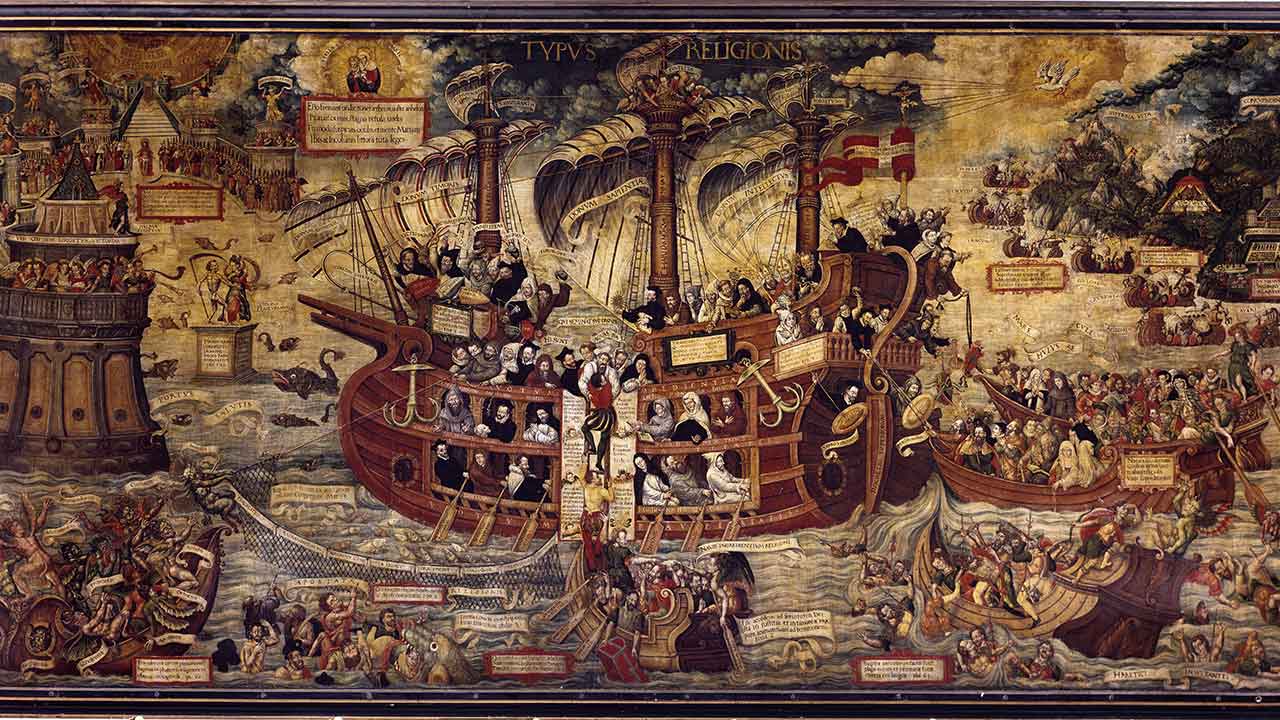
- Sealed parchment documents;
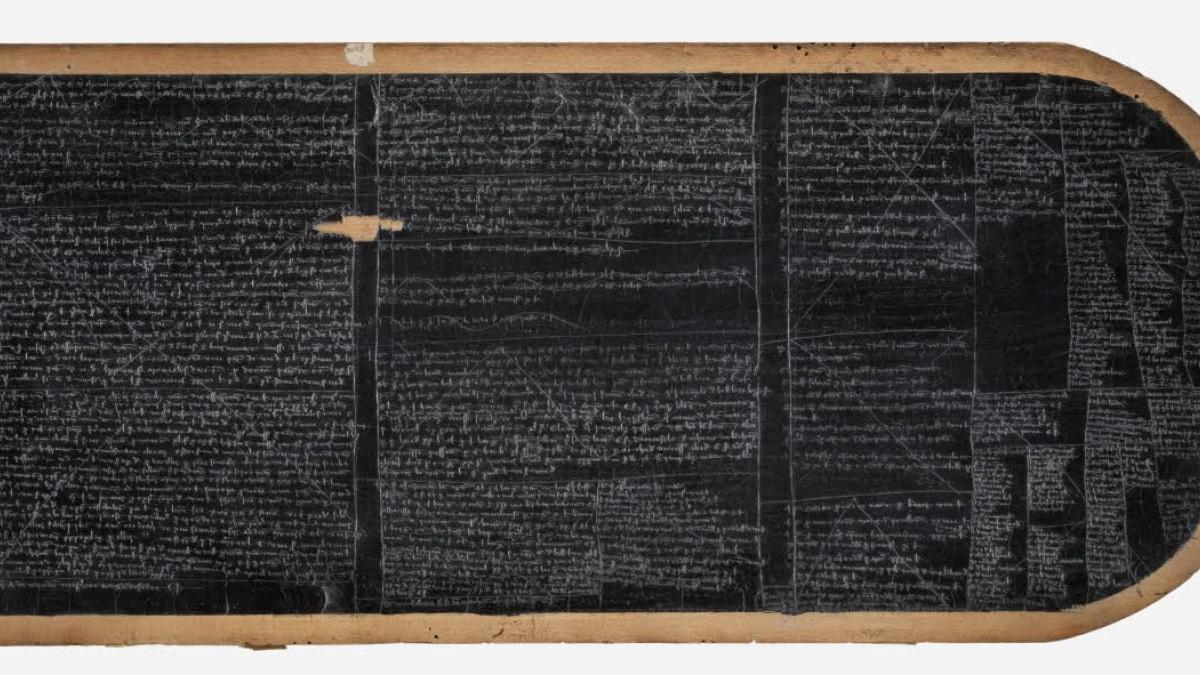
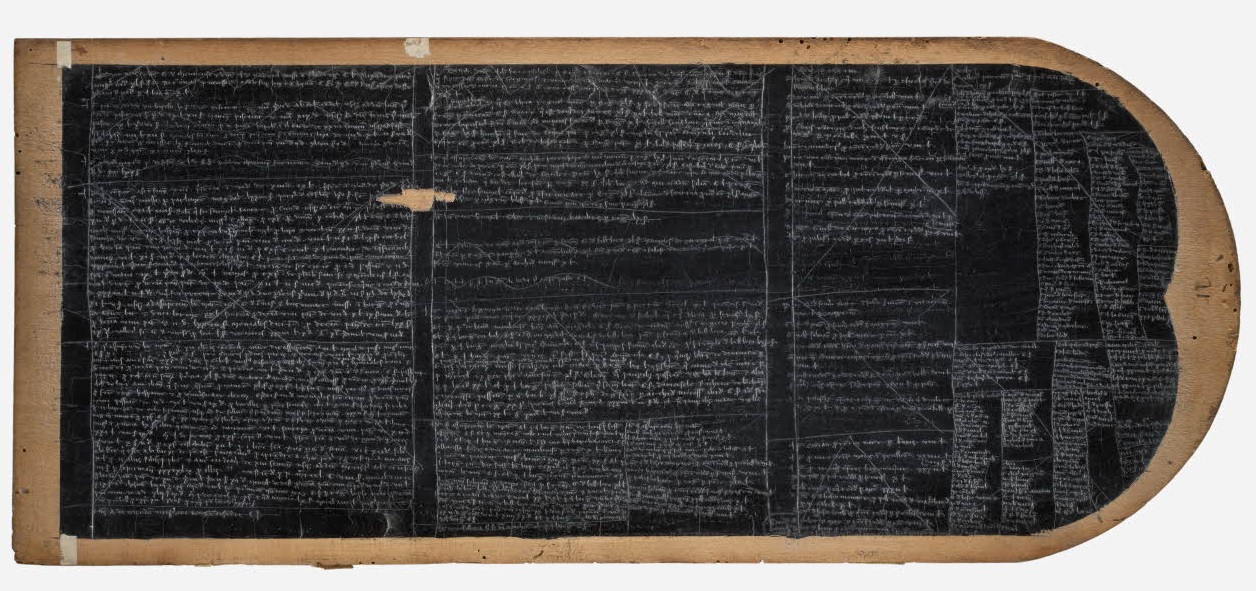
- Rare wax tablets and ordinary typewritten papers;
- Maps, photographs and posters;
- Exhibits and audiovisual archives.
This exhibition illustrates the evolution of handwriting and methods of authentication in official documents issued by royal chancelleries, ministries and notaries, as well as in private records or “ego-documents” (correspondence, diaries, etc.).
A renewed exhibition featuring previously unseen documents
This exhibition is partially renewed every six months to comply with preventive conservation standards. These standards require precious written records to be exposed to light for limited periods only.
Each new display provides an opportunity to bring around thirty previously unseen documents out of storage and showcase new audiovisual archives.
Other items – the rarest or most symbolic – remain part of the exhibition in the form of facsimiles, including:
- The oldest document held by the Archives nationales: a papyrus charter issued by the Merovingian king Chlothar II, dating from 625;
- The royal accounts of King Saint Louis, recorded on wax tablets;
- The Constitution of the Fifth Republic.
On the first floor, in the reception rooms of the Princess of Soubise, visitors can also discover a reminder of the former museum created by the Marquis de Laborde.
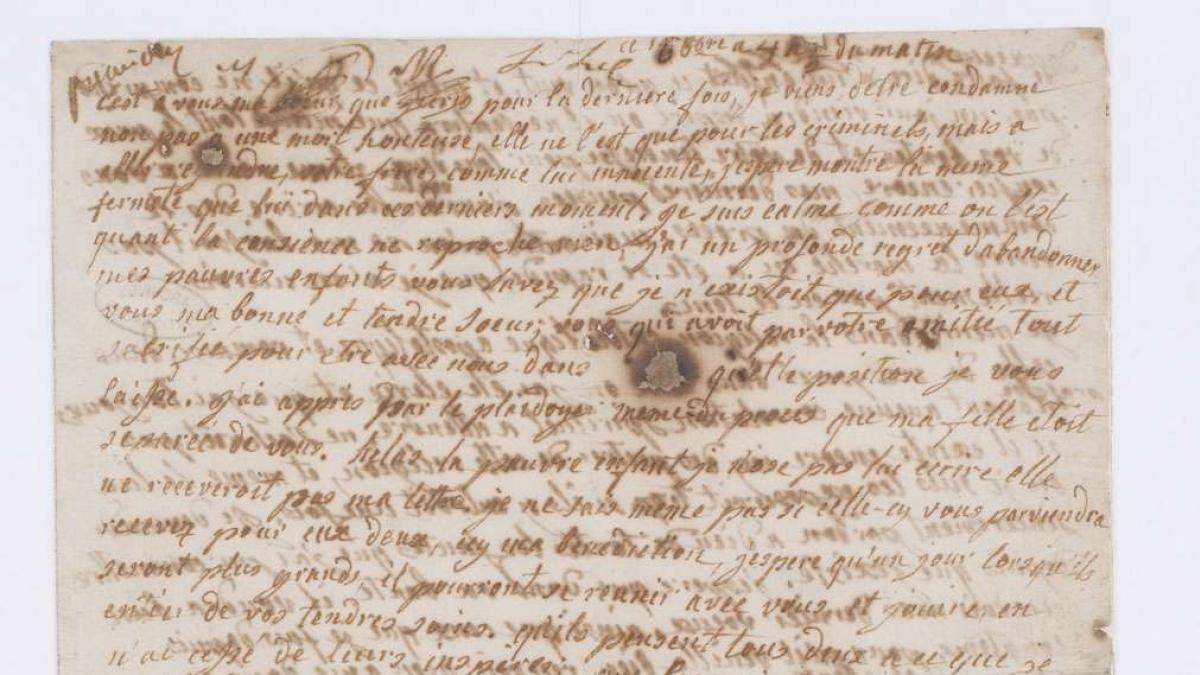
A number of major documents, symbols of French history and key elements of the nation's collective memory, are displayed in original Second Empire display cases: the Tennis Court Oath, Marie-Antoinette's final letter and Napoleon I's will.
Themed temporary exhibitions
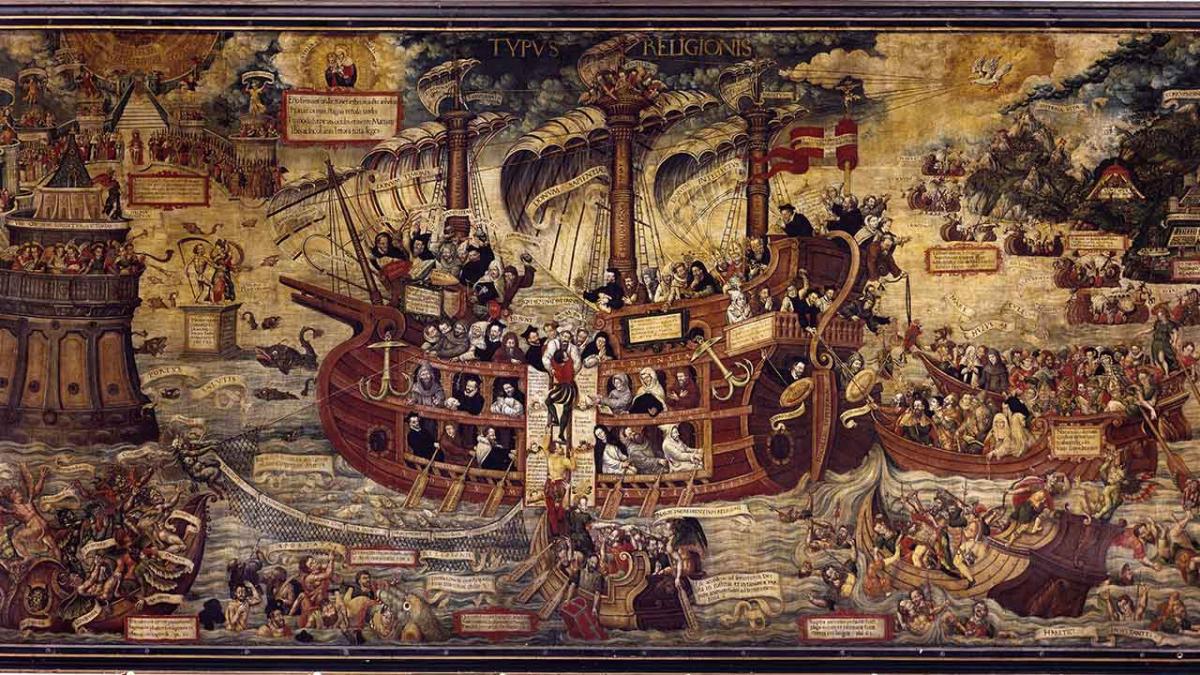
The Archives nationales Museum also presents temporary exhibitions. Each focuses on a particular aspect of history, offering fresh perspectives on the extraordinary wealth of the Archives' collections through a wide range of original documents.
In Pierrefitte, the Archives explore time
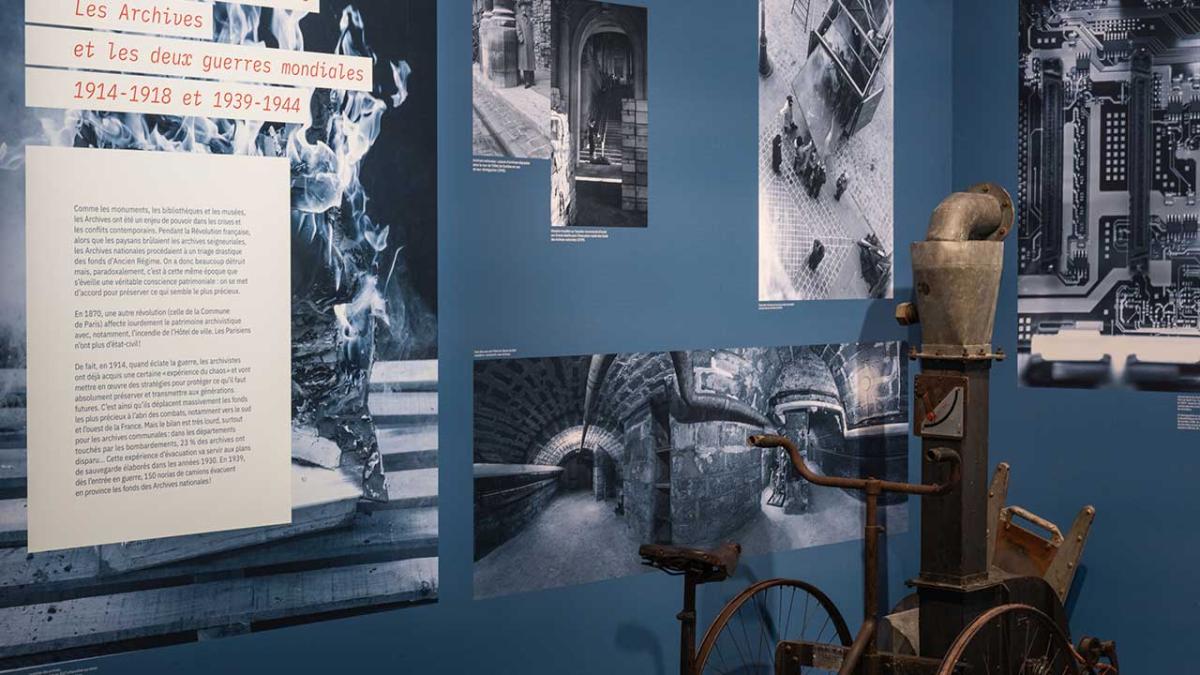
Inaugurated in September 2023 during the European Heritage Days, the permanent exhibition The Archives Explore Time! was designed to meet the expectations of all audiences, particularly younger visitors.
Located on the ground floor of the building, easily accessible from the entrance hall, the exhibition features around sixty documents and objects, accompanied by a wealth of images and multimedia displays.
Most of the content was suggested and developed through consultations between the Archives nationales and local stakeholders. Together, they explored various possible exhibition concepts.
Following discussions with representatives of the towns of Saint-Denis and Pierrefitte-sur-Seine, the Seine-Saint-Denis departmental authorities, and cultural and educational partners, it was decided to create a chronological and thematic exhibition.
What can you see?
A large illustrated timeline presents a wealth of images. It explores the evolution of archival media from Antiquity to the present day and examines the role of archives in the writing of history.
The timeline runs around the exhibition room, where seven thematic displays or sections are presented:
- The development of republican law, centred on a reconstruction of the Iron Cabinet from the Paris Grands Dépôts;
- The territory, Paris and its surrounding areas over time, illustrated through maps and photographs;
- Controlling and identifying individuals, from lists to individual records;
- From birth to death: how archives document human life through words, actions and emotions;
- Personal archives, including diaries, planners, letters and photographs;
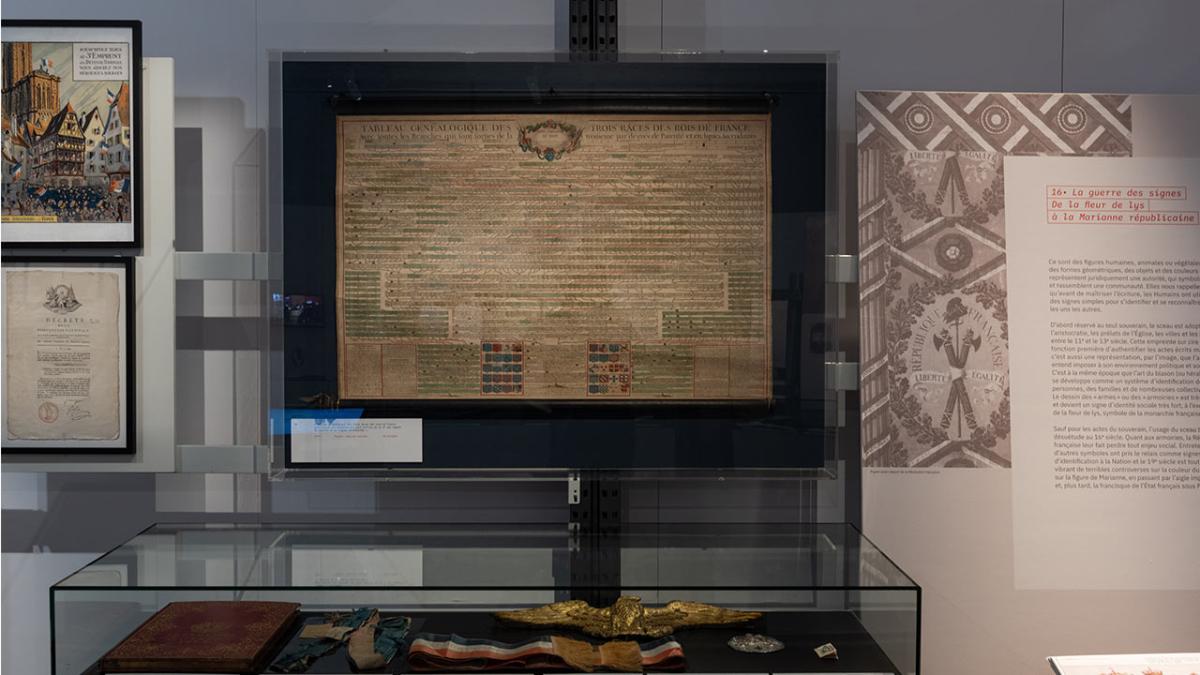
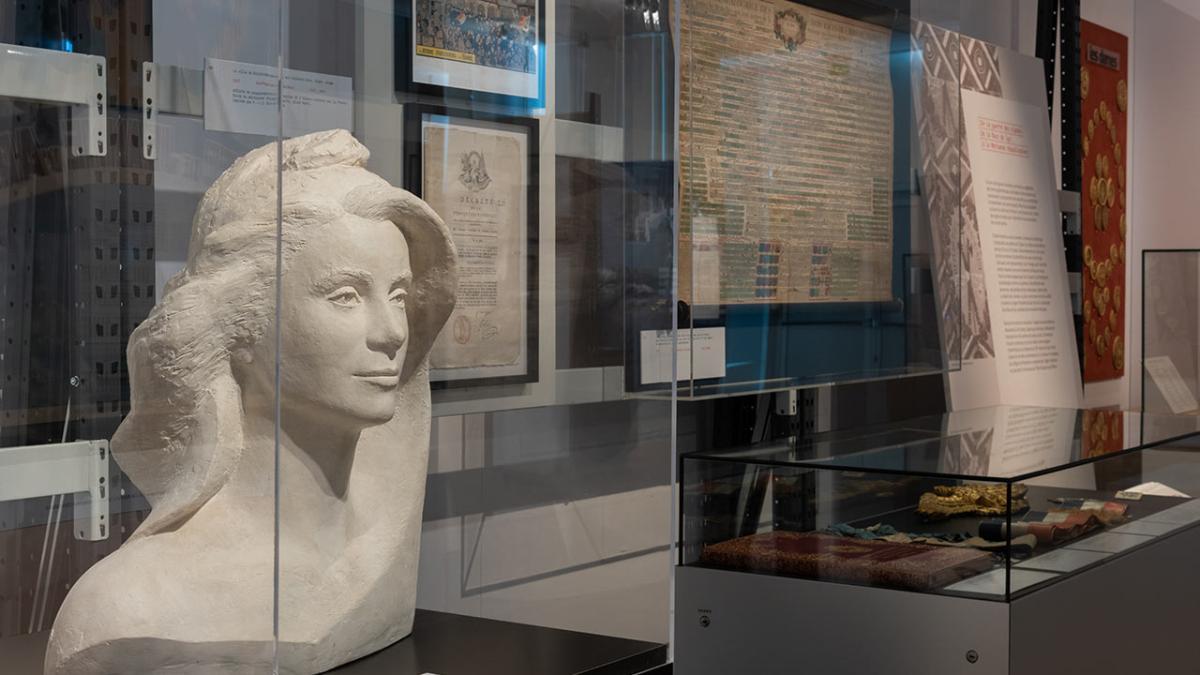
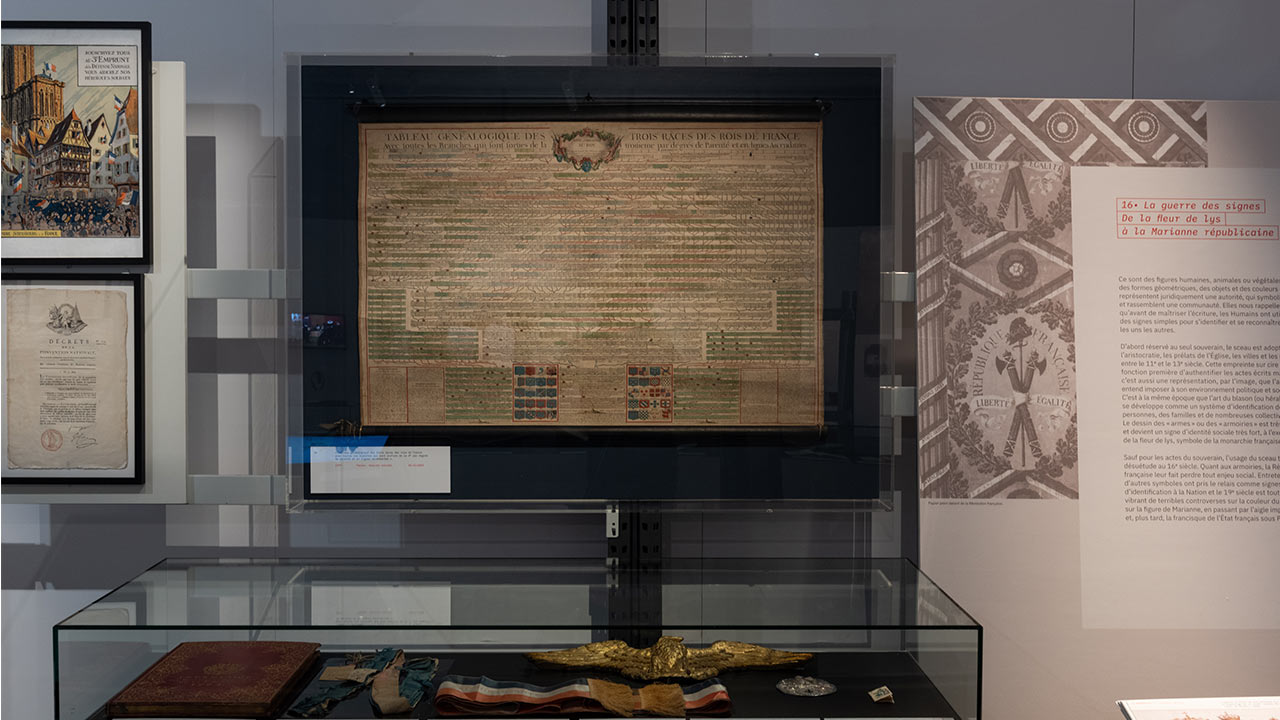
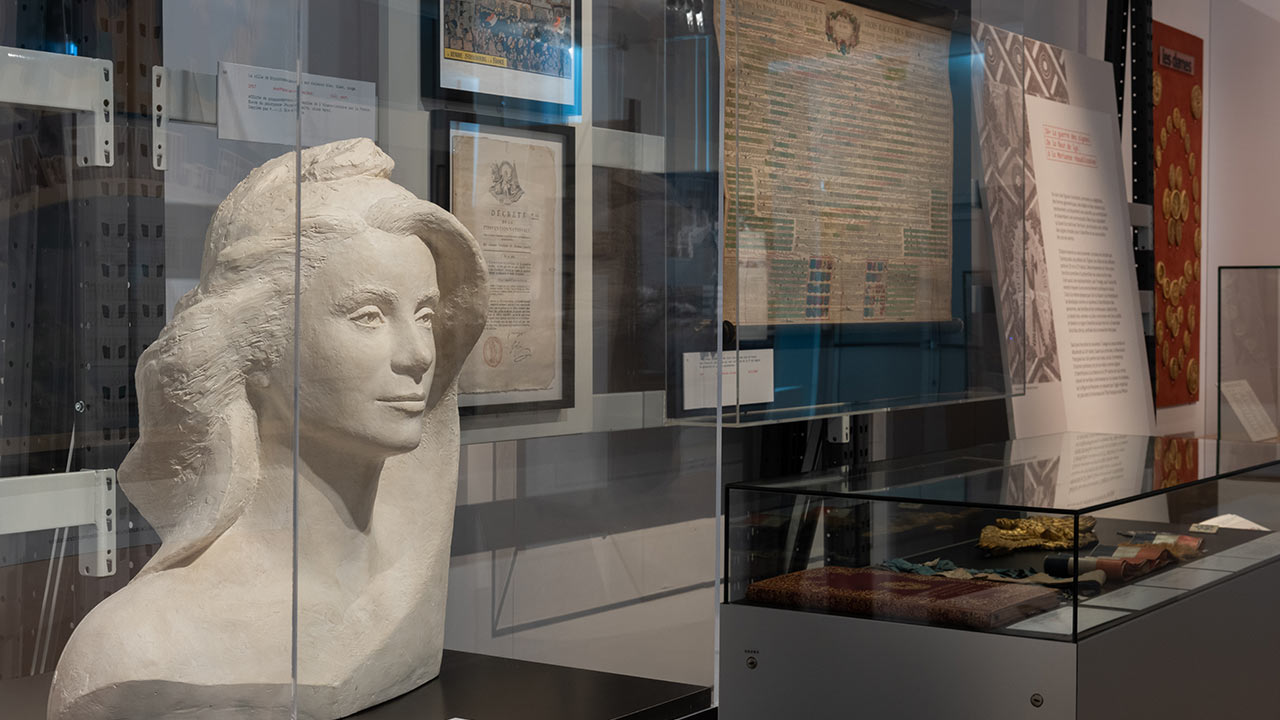
- The battle of symbols, from the fleur-de-lis to Marianne, the symbol of the French Republic.
Three additional displays complete the exhibition:
- Technological innovations serving archival heritage;
- The professions of the Archives;
- Users of the Archives.
Particular attention has been paid to school groups. The exhibition design includes lower text panels, as well as flip-through portfolios containing images and extracts from documents for visitors to explore.
A Choose Your Own Path booklet is available at the entrance to the exhibition to help guide visitors.
In 2024, an Easy-to-Read and Understand (FALC) booklet and a tactile exhibition map were made available, while the multimedia displays were enhanced with additional content.